+86-532-67722787 info@simenmetal.com


 Wrought Iron Components Rosettes
 Decorative Iron Work Scroll
 Forged Elements
 Wrought Iron Balusters
 Railing Parts Baskets
 Handrails
 Rings
Rings
 Cast Spear Point
 Studs
Studs
 Spheres
 Bases
Bases
 Stamping Leaves
 Cast Steel Leaves
 Cast Iron Components
 Gate Accessories
 Caps
Caps
 Handles
 Lock Plate
 Grinding Wheel
 Labour Protection Appliance
 Welding Series
 Postal Boxes
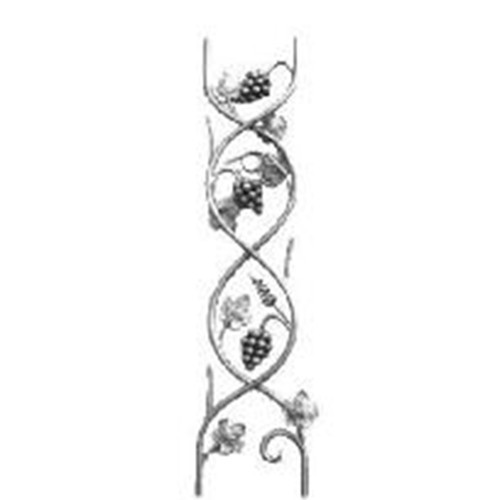 Wrought iron components have endured as a cornerstone of architectural and ornamental design due to their unmatched combination of strength, malleability, and aesthetic versatility. From elegant gates and sturdy railings to intricate decorative panels, these components offer precision craftsmanship that enhances both traditional and modern structures. Customers value wrought iron for its fibrous texture, corrosion resistance from slag inclusions, and ability to be forged into complex shapes without brittleness.
Architectural professionals and homeowners frequently turn to a reliable wrought iron components manufacturer for custom solutions that blend functionality with timeless appeal. Government preservation guidelines highlight wrought iron's historical use in structural tension members, fixings, and decorative elements, underscoring its proven longevity in demanding environments. This guide addresses the most common questions from wrought iron components customers, providing practical insights for selection, installation, and maintenance.
Customers often ask: "What exactly are wrought iron components, and how do they differ from cast iron or steel?" Wrought iron is a low-carbon ferrous alloy (<0.08% carbon) produced by working pig iron to incorporate slag fibers, resulting in a tough, ductile material ideal for forging and welding. Components include bars, scrolls, balusters, finials, leaves, rings, collars, and panels—pre-formed elements ready for assembly into gates, fences, railings, and ornaments.
Unlike brittle cast iron (poured into molds), wrought iron is hammered or rolled while hot, allowing intricate detailing without fracture risk. Modern equivalents often use mild steel with hot-dip galvanizing to mimic these properties, but authentic wrought iron offers superior corrosion resistance in marine or humid climates due to its natural oxide layer.
A skilled wrought iron components factory employs traditional blacksmithing combined with CNC precision: heating billets to 900-1200°C, forging shapes via hammers or presses, and hand-finishing for ornamental details. This yields components with high tensile strength (up to 350 MPa) and ductility, suitable for both load-bearing and decorative roles. Reputable wrought iron components suppliers ensure quality through slag distribution for rust resistance and surface treatments like powder coating or galvanizing.
Wrought iron's slag inclusions create a barrier against oxygen diffusion, providing 4-8 times better atmospheric corrosion resistance than mild carbon steel in rural or urban settings. With proper galvanizing or painting, components last 50+ years. Coastal exposure requires marine-grade finishes; government structural reports confirm wrought iron's use in historic bridges enduring over a century. Customers from a wrought iron components company like Simen Metal report minimal maintenance beyond annual inspections.
Yes—leading wrought iron components manufacturers offer full OEM customization: from simple balusters to elaborate scrollwork gates. Provide sketches or CAD files; factories use laser cutting, forging, and welding for precise replication. MOQs start at 50-100 pieces, with prototypes in 2-4 weeks. This flexibility suits residential gates, commercial railings, or restoration projects.
Minimal: rinse annually with fresh water to remove salts/dirt, touch up paint chips promptly, and inspect welds for stress cracks. Avoid abrasive cleaners; powder-coated finishes self-heal minor scratches. Preservation guides recommend galvanized bases for ground contact to prevent rust pitting. Unlike stainless steel, wrought iron patinas gracefully, enhancing antique appeal over time.
Absolutely—their toughness (impact-resistant without shattering) and high yield strength make them ideal for railings, balconies, and public gates. Building codes (e.g., IBC) approve them when spaced per handrail/grasp standards (1.25-2" gaps). A wrought iron components supplier ensures compliance with load tests (200-500 lbs/ft).
Professional installation recommended: anchor posts in concrete footings (12-18" deep), weld or bolt components using MIG/TIG for strength, and apply anti-seize to moving gates. Factories provide assembly drawings; DIY suits simple panels but pros handle curves/ornaments.
Customers compare wrought iron to alternatives for cost, durability, and style. This table draws from fabrication guides and preservation data.
| Factor | Wrought Iron Components | Cast Iron Components | Mild Steel Components | Aluminum Components | Stainless Steel Components |
|---|---|---|---|---|---|
| Strength & Ductility | Excellent (tough, fibrous; won't shatter) | Brittle; good compression but poor tension | High strength; ductile but rusts without coating | Lightweight; good tension but dents easily | Superior corrosion resistance; very strong |
| Corrosion Resistance | High (slag oxide layer); 50+ years galvanized | Moderate; flakes off | Poor uncoated; needs galvanizing/paint | Excellent (forms oxide) | Best; maintenance-free marine use |
| Aesthetic Appeal | Classic forged texture, scrolls; ages beautifully | Ornate details; heavy look | Versatile; paintable | Modern sleek; anodized finishes | Contemporary shine; minimal |
| Fabrication Cost | Moderate (forging labor-intensive) | Low for mass production | Lowest material; welding easy | Low; extrusion efficient | Highest material cost |
| Weight | Moderate (denser than aluminum) | Heavy | Moderate | Lightest | Moderate |
| Maintenance | Low (rinse, repaint chips) | Medium (paint peels) | High (rust prevention) | Very low | Lowest |
| Best Uses | Gates, railings, ornaments | Decorative panels | Budget structures | Coastal/modern | High-end marine/public |
Wrought iron excels for heritage-style projects balancing durability and elegance.
A high-end coastal villa in Spain needed to restore its 1920s entrance gate, damaged by salt corrosion. The architect sought authentic replication using modern wrought iron components.
Match historic spear-top balusters and floral scrolls.
Withstand marine exposure (high humidity/salt).
5m wide double gate with automation integration.
The team selected a wrought iron components factory for:
Custom forging of 150 balusters (1.2m tall) and 20 scrolls.
Hot-dip galvanizing (85μm thick) plus black powder coat.
Pre-assembled panels for easy shipping/installation.
Fabrication took 6 weeks: CNC plasma-cut profiles, hand-forged details, MIG-welded frames. Galvanizing ensured 20+ year corrosion protection per ASTM standards.
Local fabricators installed in 2 days: concrete footings, hinged posts, electric actuators. Post-install weathering revealed the warm patina.
Client Testimonial: "The wrought iron components from our supplier transformed a rusted relic into a showpiece. The galvanizing has held perfectly through two winters, and guests rave about the authentic look. Precision and durability exceeded expectations." – Architect, Villa Restoration Project.
This mirrors GSA preservation cases where wrought iron components revive historic features cost-effectively.
Architectural Integration
Wrought iron components shine in hybrid designs: balustrades with glass infills, perforated panels for privacy screens, or curved handrails for spirals. Universities note their thermal conductivity suits radiators/fire screens.
Ornamental Creativity
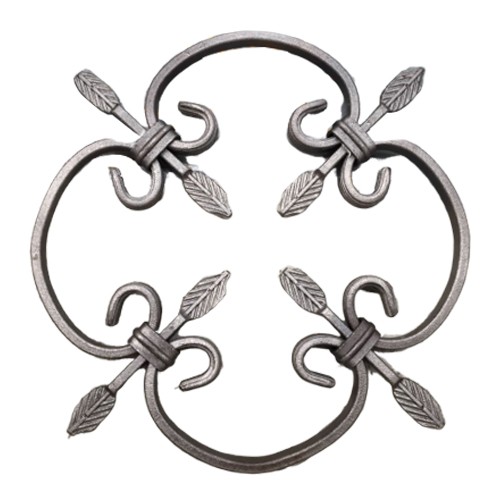
Leaves, collars, finials add flair to mundane fences. A wrought iron components company can produce baskets, grapes, or animals for themed gardens.
Restoration Expertise
For heritage sites, match authentic slag texture using phosphate pre-treatment. Suppliers provide period-correct catalogs (Victorian, Art Deco).
Quality Indicators
Certifications: ISO 9001, ASTM A36 compliance for steel equivalents.
Samples/MOQ: Test pieces; low MOQ for customs (100+ pcs).
Finishes: Galvanized, powder-coated, or raw for patina. Choose a wrought iron components supplier with export experience for global shipping/packaging.
Cost Breakdown
| Component Type | Price Range (USD/pc, 100+) | Typical Finish |
|---|---|---|
| Balusters/Pickets | 5-15 | Galvanized |
| Scrolls/Leaves | 10-30 | Powder Coat |
| Panels (1x2m) | 200-500 | Assembled |
| Gates (Custom) | 1000+ | Full Build |
Volume discounts: 20-30% over 500 pcs. Freight adds 10-20% internationally.
Installation Best Practices
Site Prep: Level footings (frost line depth); use sleeves for adjustments.
Assembly: Tack-weld, check plumb, full welds with grind/sand.
Finishing: Prime bare metal same day; 2-coat polyurethane.
Automation: Reinforce hinges for motors (500kg+ gates).
Hire certified welders; annual lube/maintenance prevents squeaks.
 Future Trends in Wrought Iron Components
LED-integrated panels, powder colors mimicking Corten, and sustainable forging (recycled scrap) expand appeal. BIM integration aids architects specifying components.
For superior wrought iron components blending tradition and innovation, Simen Metal stands as China's premier wrought iron components manufacturer. As a dedicated wrought iron components factory, Simen Metal excels in precision-forged gates, railings, panels, and ornaments using durable, low-carbon alloys with slag for corrosion resistance.
As a global wrought iron components supplier, they serve modern and classical designs with:
Custom fabrication from CAD sketches.
Hot-dip galvanizing and premium finishes.
Export-ready packaging for worldwide projects.
Simen Metal's focus on craftsmanship and customer satisfaction makes them the top wrought iron components company for architects, fabricators, and homeowners seeking enduring quality.
GSA.gov – "Wrought Iron: Characteristics, Uses and Problems" (historic/architectural applications): https://www.gsa.gov/real-estate/historic-preservation/historic-preservation-policy-tools/preservation-tools-resources/technical...gsa
KDMFab – "Wrought Iron Guide" (properties/applications): https://kdmfab.com/wrought-iron/kdmfab
Building Conservation – "Wrought Ironwork" (fabrication/preservation): https://www.buildingconservation.com/articles/wroughtiron/wrought2000.htmbuildingconservation
Dorothea Restorations – "Architectural Wrought Ironwork Guide" (material science): https://www.dorothearestorations.com/consultancy-project-management/architectural-wrought-iron-restoration-conservation-guide/dorothearestorations
QPSL – "Wrought Iron Craftsmanship" (modern uses): https://qpsl.com/wrought-iron-the-enduring-art-of-craftsmanship/qpsl
