+86-532-67722787 info@simenmetal.com


 Wrought Iron Components Rosettes
 Decorative Iron Work Scroll
 Forged Elements
 Wrought Iron Balusters
 Railing Parts Baskets
 Handrails
 Rings
Rings
 Cast Spear Point
 Studs
Studs
 Spheres
 Bases
Bases
 Stamping Leaves
 Cast Steel Leaves
 Cast Iron Components
 Gate Accessories
 Caps
Caps
 Handles
 Lock Plate
 Grinding Wheel
 Labour Protection Appliance
 Welding Series
 Postal Boxes
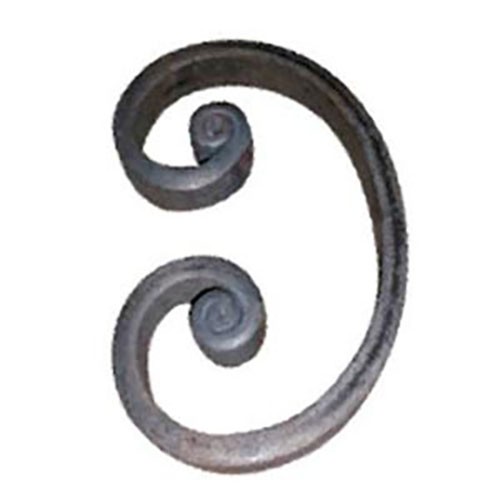 Decorative Iron Work has been a part of architectural and interior design for centuries, combining strength, durability, and artistic appeal. It involves crafting iron into various functional and ornamental items, including gates, railings, furniture, grilles, and fixtures. Decorative iron work blends traditional craftsmanship with modern design techniques, adding elegance and style to residential, commercial, and public spaces.
Decorative iron work encompasses the design, fabrication, and installation of iron structures and elements that serve both aesthetic and functional purposes. Unlike standard iron fabrication, decorative iron work focuses on intricate patterns, artistic details, and unique designs that enhance the visual appeal of a space. Artisans use techniques such as forging, casting, welding, and bending to create a wide variety of designs that reflect personal taste, architectural style, or cultural heritage.
Decorative iron work includes a range of products and applications. Gates and fences are among the most common uses, providing security while adding visual appeal to properties. Railings for staircases, balconies, and terraces combine safety with elegance. Furniture items, including tables, chairs, and bed frames, showcase artistic metalwork. Other decorative elements such as wall grilles, window grills, chandeliers, and garden ornaments add character and charm to interiors and exteriors. Modern applications also include custom signage and decorative panels for commercial spaces.
The primary material used in decorative iron work is wrought iron, known for its malleability, durability, and resistance to corrosion. Mild steel is also commonly used due to its affordability and ease of fabrication. Techniques employed in decorative iron work include forging, where metal is heated and hammered into shape; welding, which joins pieces together; casting, which creates intricate designs from molds; and bending, which shapes metal into curves and patterns. Finishing processes such as powder coating, painting, and galvanization enhance the durability and aesthetic appeal of the final product.
Decorative iron work is used extensively in both residential and commercial settings. Residential applications include gates, fences, stair railings, balcony railings, garden trellises, and furniture. Commercial and public spaces utilize decorative iron work in storefronts, security grilles, architectural panels, railings, and lighting fixtures. Decorative iron elements can also be incorporated into historical building restorations, luxury hotels, museums, and public parks, adding a blend of tradition and sophistication.
Creating decorative iron work requires careful planning and attention to detail. Designers and artisans consider factors such as style, durability, structural integrity, and maintenance requirements. Custom designs allow clients to achieve unique and personalized solutions that complement their architecture and interior design. Modern decorative iron work often incorporates artistic motifs, geometric patterns, floral designs, or abstract elements, reflecting contemporary trends while preserving craftsmanship.
Proper maintenance ensures that decorative iron work remains visually appealing and structurally sound over time. Regular cleaning, painting, or powder coating prevents rust and corrosion. Inspections for loose fittings or damage help maintain safety and aesthetics. With proper care, decorative iron work can last for decades, making it a durable and timeless investment in architecture and design.
Decorative iron work is a fusion of art and engineering, enhancing the beauty and functionality of residential, commercial, and public spaces. By combining traditional craftsmanship with modern techniques and design innovation, decorative iron work creates visually appealing, durable, and customizable solutions. Its versatility, strength, and artistic potential make it a lasting and valuable addition to architectural and interior design projects.
