+86-532-67722787 info@simenmetal.com


 Wrought Iron Components Rosettes
 Decorative Iron Work Scroll
 Forged Elements
 Wrought Iron Balusters
 Railing Parts Baskets
 Handrails
 Rings
Rings
 Cast Spear Point
 Studs
Studs
 Spheres
 Bases
Bases
 Stamping Leaves
 Cast Steel Leaves
 Cast Iron Components
 Gate Accessories
 Caps
Caps
 Handles
 Lock Plate
 Grinding Wheel
 Labour Protection Appliance
 Welding Series
 Postal Boxes
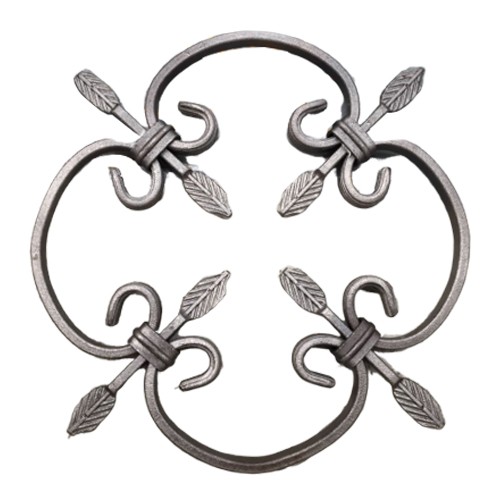 Wrought Iron Components have long been valued for their strength, durability, and aesthetic appeal. These components are widely used in construction, architecture, furniture, and decorative applications due to their ability to combine functionality with artistic design. Wrought iron is known for its toughness, corrosion resistance, and ability to be shaped into intricate patterns, making it a preferred choice for both structural and decorative purposes.
Manufacturing Process
The production of wrought iron components involves several stages, beginning with the selection of raw iron material. The iron is heated and subjected to forging or rolling to achieve the desired shape and size. Welding and joining techniques may be applied to assemble more complex components. Surface treatments such as polishing, painting, or galvanization are often used to enhance durability and appearance. Skilled craftsmanship ensures that wrought iron components meet specific design requirements while maintaining structural integrity.
Applications in Construction
Wrought iron components are extensively used in construction projects for their strength and decorative appeal. They are commonly used in gates, fences, railings, and balustrades, providing security while adding aesthetic value. Architectural elements such as window grills, staircases, and balconies often feature wrought iron designs that combine elegance with durability. The versatility of wrought iron allows for customization, enabling designers and architects to create unique and visually appealing structures.
Decorative and Functional Uses
In addition to structural applications, wrought iron components are widely used for decorative purposes. Furniture, lighting fixtures, garden ornaments, and interior accents often incorporate wrought iron for its artistic and timeless appeal. The ability to create intricate patterns and designs allows manufacturers to produce unique and elegant pieces that enhance the visual appeal of homes, commercial spaces, and public areas. Functional items such as hooks, brackets, and handles also benefit from the strength and durability of wrought iron.
Maintenance and Longevity
Wrought iron components are known for their longevity and ability to withstand environmental conditions. Regular maintenance, including cleaning and protective coatings, helps prevent corrosion and preserves the appearance of the components. Wrought iron can be repainted or treated to maintain its aesthetic appeal over time. Its durability and low maintenance requirements make it a cost-effective and reliable material for both structural and decorative applications.
